APPLES TO APPLES
Comparison Guide
A Coach’s Buyer Guide – Powered by Game Day Signals
Not all electronic signaling systems are built the same. Some are flashy. Some are limited. Some look great on paper—but fall apart under real game conditions.
This guide gives coaches the right questions to ask when comparing products, and shows how Game Day Signals stacks up where it matters most: speed, reliability, flexibility, and control.

Here is What to Look For
When Comparing Electronic Signaling Systems
We realize that our system isn’t going to be the perfect fit for everyones needs, so these 8 questions are to help you compare systems and brands that have caught your eye.
1. Does the System Rely on Cellular or Wi-Fi?
What to look for:
Some systems depend on cellular networks or Wi-Fi connections. That means lag, dropped signals, dead zones, or total failure when service is weak.
Game Day Signals:
• No cellular. No Wi-Fi. No external network.
Our system operates independently of communication networks, ensuring instant, reliable delivery – every time, everywhere.
2. How Fast Are the Signals Delivered?
What to look for:
Even a one-second delay can disrupt timing, rhythm, and confidence – especially with runners on base.
Game Day Signals:
• Sub-one-second delivery, consistently.
Signals are delivered almost instantly from the coach unit to player units, without buffering or lag.
3. How Are Signals Sent?
What to look for:
Some competitors rely on limited audio cues or preset messages. Others restrict who can receive what information.
Game Day Signals:
• Live, real-time communication.
• Visual signaling that works for multiple players simultaneously
• No dependence on pre-recorded audio clips or league-specific limitations
3. What Technology Is Actually Being Used?
What to look for:
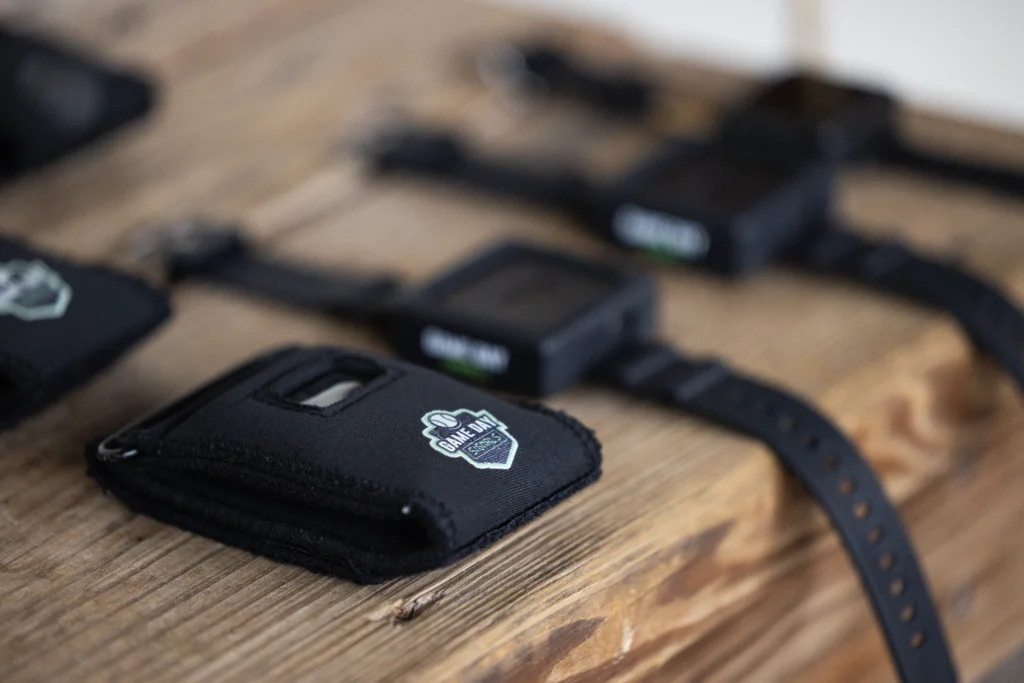
Not all “electronic” systems are equal. Some are consumer-grade, repurposed tech with sports branding slapped on top.
Game Day Signals:
• Purpose-built, coach-first technology
• We use secure, encrypted radio communication to send digital signals that will work anywhere
• Designed specifically for competitive baseball and softball environments
4. Does Location Matter?
What to look for:
Some systems work fine… until you’re indoors, in a crowded urban complex, or at elevation.
Game Day Signals:
• Works anywhere you play
Indoor facilities, outdoor fields, urban stadiums, rural complexes, or even the mountains of West Virginia—performance stays consistent.
6. Can It Be Used Indoors for Practice?
What to look for:
Many systems struggle indoors due to interference or network dependency.
Game Day Signals:
• Fully indoor-compatible
Practice the same way you play. No workarounds. No limitations.
7. Bone Induction Audio vs. True Signaling
What to look for:
Some competitors use bone-induction audio inserts in hats. Sounds impressive—but comes with major restrictions.
Limitations of bone-induction systems:
• Often pre-recorded audio only
• Restricted to specific players (often catcher only)
• League-dependent rules
• Limited scalability across positions
Game Day Signals:
• No gimmicks
• No player-specific audio restrictions
• Clear, flexible signaling across the field
5. One System. Total Game Control. (Offense and Defense)
What to look for:
Many signaling systems are built with a narrow use case in mind—often optimized for defensive calling only, or designed primarily for dugout-based communication. Even when rules allow broader use, the practicality can fall short when coaches need mobility, speed, and clarity on the field.
Game Day Signals:
• Designed for both offense and defense
• Coach mobility built in
• Practical across rule sets
• One system, customizable for all phases of the game
6. Build Quality & Manufacturing
What to look for:
Durability is important when choosing a system. You need something that will withstand the rugged environment and repeated use that you experience in baseball and softball.
Game Day Signals:
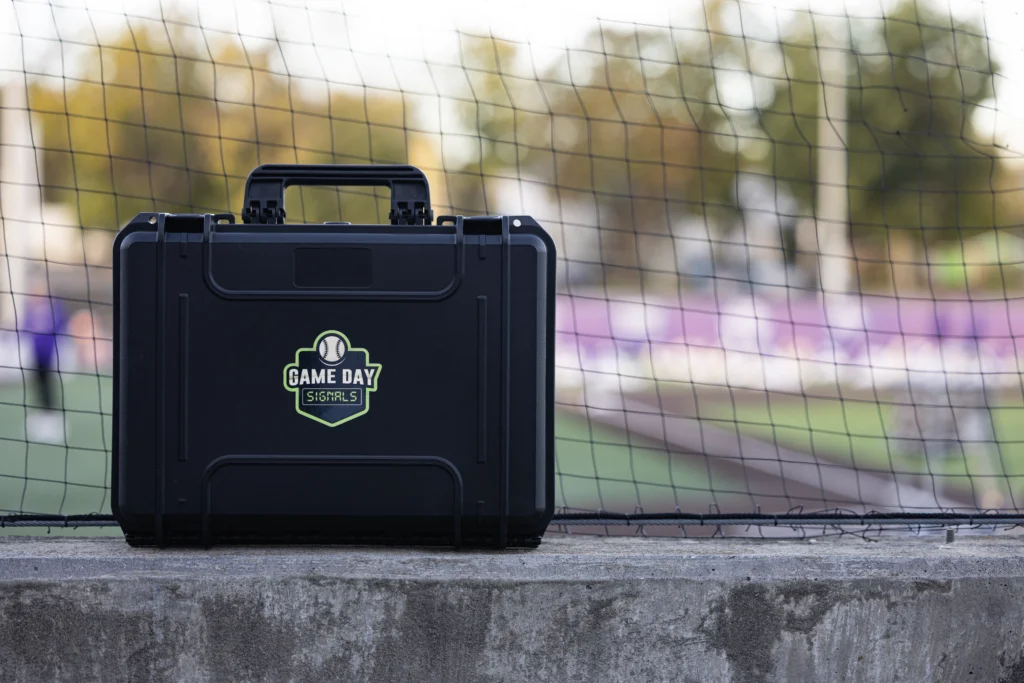
• Built for real-world use
• Durable, field-tested hardware
• Designed for long seasons, not showroom demos
7. Cost Transparency: Are There Recurring Fees?
What to look for:
Hidden monthly subscriptions, activation fees, or required upgrades add up fast.
Game Day Signals:
• No recurring fees
• No subscriptions
• No surprise costs
You buy the system. You own it.
8. Can the System Match Your Playbook?
What to look for:
Some systems force coaches into rigid formats.
Game Day Signals:
• Fully customizable signaling
• Numbers, letters or hybrid systems
• Adaptable to your terminology, your system, your strategy
The bottom line
When comparing electronic signaling systems, don’t get distracted by buzzwords or flashy add-ons. Focus on what wins games:
• Speed
• Reliability
• Independence
• Flexibility
• Control
Game Day Signals is built for coaches who want a system that works the way the game actually works.
Perfect for High School, College & Travel Ball
Whether you’re running high-intensity practices or coaching championship-level games, Game Day Signals helps you eliminate the #1 coaching headache: Miscommunication.
You focus on strategy. We handle the signals.